Starting Your Trucking Business
How to Start a Trucking Business
Starting a trucking business generally means setting up the business itself, completing the federal and state registrations that apply to your operation, getting appropriate insurance, and preparing to find and manage freight. Exactly what you need depends on your equipment, cargo, location and whether you operate interstate or intrastate.
Educational Guide
Business structure · EIN · Business banking and records · USDOT registration
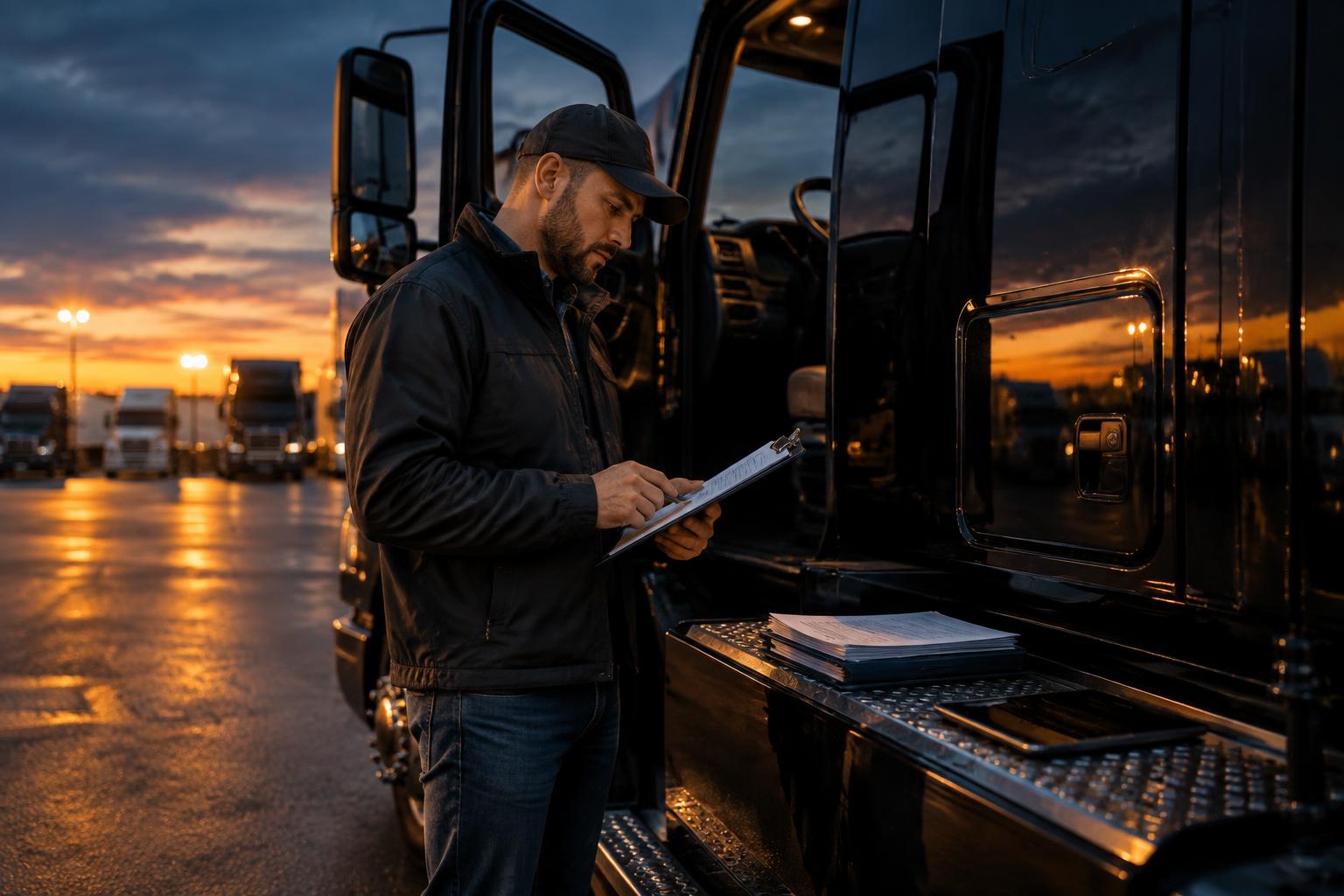
This is a high-level overview, not a complete checklist. Requirements vary by operation.
Areas to research
Business structure
Decide how the business will be organized (for example sole proprietorship, LLC or corporation). Structure affects liability, taxes and paperwork; an accountant or attorney can help you compare options.
EIN
Many businesses obtain an Employer Identification Number from the IRS. The IRS provides EINs free of charge on its official website.
Business banking and records
Keeping business money separate and records organized from day one makes taxes, settlements and broker setup easier.

USDOT registration
FMCSA explains who needs a USDOT number and how to register through its official registration system.
Operating authority, when applicable
Some for-hire interstate operations also need operating authority (an MC number). FMCSA's registration pages explain which operations require it.
BOC-3, when applicable
Carriers that need operating authority generally must designate process agents by filing a BOC-3.
Insurance
Required and broker-expected coverage varies by operation and cargo. A licensed commercial trucking insurance professional can explain your options.

UCR, when applicable
The Unified Carrier Registration program applies to many interstate operations. The UCR Plan website explains who must register.
Operating and compliance requirements
Depending on your operation this can include driver qualification, hours of service, ELDs, drug and alcohol testing, vehicle maintenance, and state-level requirements.
Toll management
Plan how tolls will be paid and tracked so they can be reconciled with your records.
Freight readiness and dispatch decisions
Before booking loads, organize carrier documents and decide whether you will self-dispatch or use outside support.
Use official sources
Regulations change. Confirm requirements directly with FMCSA, the IRS, the UCR Plan and your state agencies — see the sources listed below.
Official sources
Free DHC member resource
Go further with the step-by-step roadmap
Create a free DHC account or sign in to access the complete step-by-step trucking-business roadmap, saved progress and member resources. No payment required.